Tampa’s transportation isn’t one-size-fits-all. There are buses that can carry you across the city for just a couple of dollars, rideshares ready to swoop you up when the rain suddenly pours, taxis for airport runs, and bikes and scooters scattered across the sidewalks for those breezy riverfront rides. By the time I left, I had pieced together my own playbook—a kind of living map that made the city feel less intimidating and more like a place where adventure waited just one ride away.
This guide is my attempt to share that playbook with you. Whether you’re standing in the Tampa sun for the first time or planning a trip months in advance, here’s how I navigated buses, taxis, bikes, and everything in between—and how you can too.
1. Understanding Tampa’s Layout Before You Choose Your Ride
When I first unfolded a paper map (yes, I still love the physical kind), I realized Tampa isn’t as compact as places like Boston or San Francisco. Neighborhoods are spread out, and crossing from downtown to the beaches can take time. Downtown Tampa, where the Riverwalk, Amalie Arena, and cultural spots like the Tampa Museum of Art are located, is pedestrian-friendly. But once you venture toward Ybor City, Hyde Park, or Busch Gardens, you need wheels.
This is why knowing your transport options is crucial. Before choosing between bus, taxi, or bike, I recommend asking: How far am I going? What time of day is it? And do I want the cheapest route or the fastest?
For example, I loved biking along Bayshore Boulevard in the morning, but when I tried pedaling in the sticky heat of 2 p.m., I quickly learned to call an Uber.
2. The HART Bus System: Cheap, Reliable, and Surprisingly Comfortable
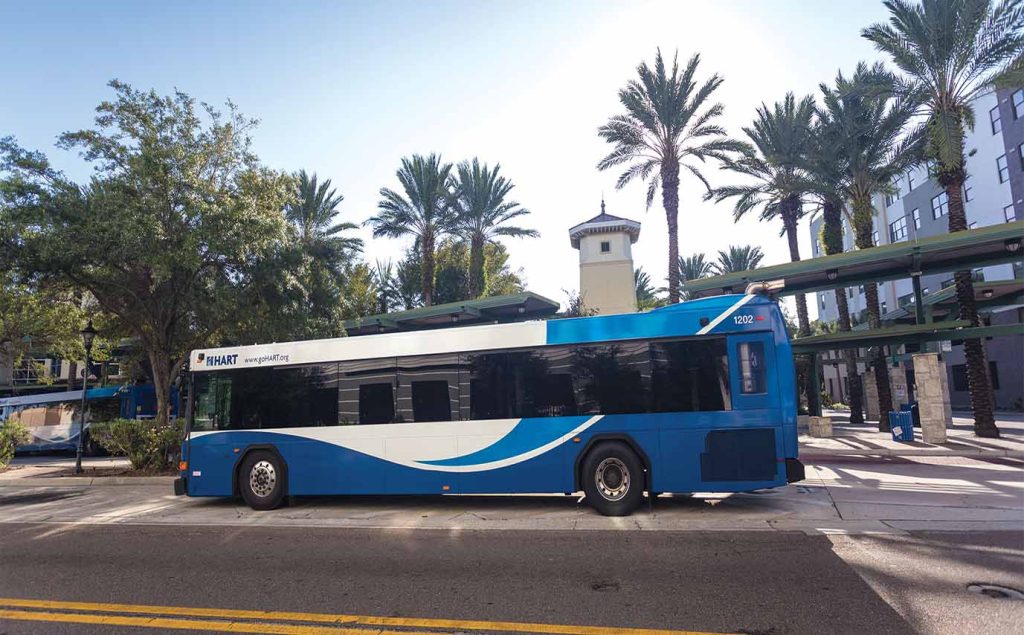
The backbone of Tampa’s public transportation is HART (Hillsborough Area Regional Transit), and it quickly became one of the most practical tools I used to navigate the city. My first encounter with it was on a sweltering July afternoon after landing at Tampa International Airport. Instead of hailing a pricey cab, I decided to test the local system by boarding the Route 30 bus into downtown. The ticket cost me just a couple of dollars, and as soon as I stepped onto the bus, I was greeted with a powerful rush of air-conditioning—a godsend after hauling my suitcase under the Florida sun.
From my seat, I could watch palm-lined boulevards and sprawling shopping centers glide past the wide windows. It struck me as both relaxing and oddly meditative, the kind of slow introduction to Tampa that let me soak in the city’s pace without rushing.
Why I Used It
- Affordability: At around \$2 per ride, it’s one of the cheapest ways to get across town.
- Coverage: The buses connect key tourist zones like downtown Tampa, Ybor City, the University of Tampa, and even out toward Busch Gardens.
- Punctuality: Schedules are fairly reliable, although afternoon summer storms can push things off by ten minutes or so.
For travelers like me, the convenience was undeniable. I found myself planning my mornings around the bus schedule—it saved me money and gave me a small glimpse into Tampa life beyond the tourist lens.
How to Pay
On my second day, I learned the value of purchasing a HART Flamingo Fares card. It’s a reloadable pass you can swipe easily as you board, avoiding the awkward scramble for loose coins. For those who prefer digital options, downloading the Flamingo app is just as smooth—I watched a college student tap her phone against the reader while juggling a backpack and iced coffee.
Personal Feeling
What I loved most about the bus wasn’t just the savings, but the people. On one ride, I sat near a grandmother carrying grocery bags that smelled faintly of mangoes and cilantro. On another, I listened to two university students animatedly debate a sports match while an office worker quietly scrolled through emails beside me. Riding the bus wasn’t just transportation—it was a small window into the everyday rhythm of Tampa life, and it made me feel less like an outsider and more like I belonged in the city’s flow.
3. The TECO Line Streetcar: My Favorite Way to Glide Into Ybor City
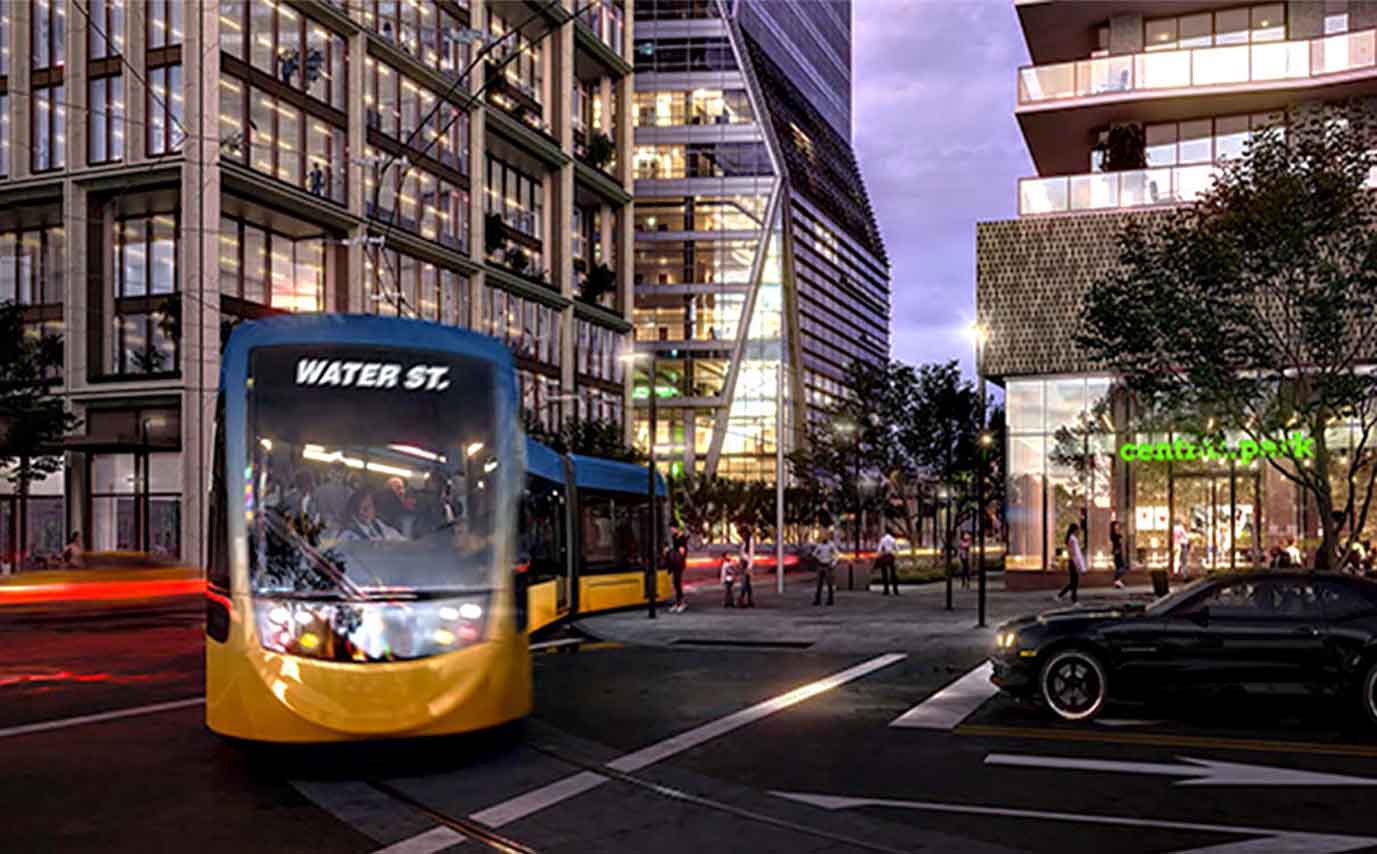
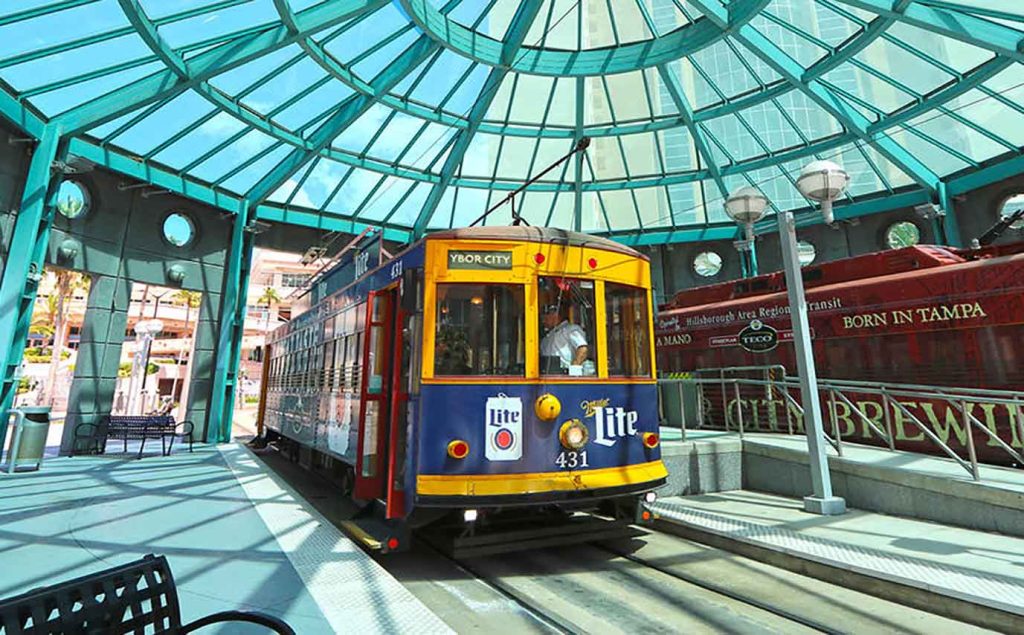
If the HART buses form the bones of Tampa’s transport system, the TECO Line Streetcar is undoubtedly its charm. This restored vintage-style trolley connects downtown Tampa with the historic neighborhood of Ybor City, and the best part? It’s completely free to ride.
Why I Loved It
One sultry evening, just as the sky began to turn a soft peach color, I boarded at Dick Greco Plaza. The streetcar itself looked like something out of another era: polished wood benches, brass handles glinting in the dim light, and large open windows that let the humid breeze sweep across my face. As the trolley rolled forward with a gentle hum, I felt like I was gliding rather than commuting.
The route carried me past landmarks like the Amalie Arena and Channelside, before easing into Ybor City, where the air seemed instantly infused with the scent of hand-rolled cigars and roasted Cuban coffee. It felt almost cinematic—like entering another chapter of Tampa’s story with every stop.
Timing
The streetcar runs roughly every 15–20 minutes, making it ideal for spontaneous exploration. On one trip, I hopped off halfway just to take photos of the skyline, then caught the next car without stress. Its reliability and no-cost ticketing made it one of my favorite evening activities.
Tip
If you want the best experience, sit near the back. From there, you get a clear view down the tracks as they snake through the streets, and when the sun sets, the golden light spills across the polished wood, creating a glow that feels timeless. For me, riding the TECO wasn’t just about getting to Ybor—it was part of the evening itself, a little moving adventure before the mojitos and music awaited me on 7th Avenue.
4. Taxis: Old-School But Reliable
While rideshares have largely taken over, Tampa’s taxis still hold their ground, especially for airport runs or when your phone battery dies. I hailed a cab outside Tampa International Airport, and while it cost more than Uber, it felt reassuringly straightforward—no app, no surge pricing, just a driver who knew the back roads by heart.
Cost
My ride from the airport to downtown was around \$30.
Tip
Taxis can be harder to find in residential areas, so I usually reserved them ahead of time.
5. Rideshares (Uber and Lyft): Lifesavers in the Summer Heat
I can’t talk about Tampa transport without mentioning Uber and Lyft. They became my go-to whenever sudden rain clouds burst open or when I stayed out late exploring Ybor City’s nightlife.
Why I Relied on Them
- They’re quick and everywhere.
- Pool rides made it cheaper when traveling with friends.
- Air-conditioned comfort was priceless after a humid day outdoors.
Personal Memory
One Lyft driver shared stories about Gasparilla, Tampa’s pirate festival, while driving me past the bay. It felt less like a taxi ride and more like chatting with a local guide.
6. Shared Bikes and Scooters: Freedom on Two Wheels
On mornings when the air was still cool, I loved grabbing a Coast Bike Share bicycle or a Lime scooter. Stations are scattered across downtown, the Riverwalk, and Hyde Park.
Why It Worked
- Perfect for short distances.
- Cheap—about \$1 to unlock plus a per-minute fee.
- Great way to feel the breeze and stop wherever I wanted.
Favorite Ride
Biking along the Riverwalk at dusk while the bridges lit up was pure magic. The sky turned pink, and I could stop for photos whenever I pleased.
7. My 10 Tips for Navigating Tampa Transportation
Through trial and error, sweat and shade, here are the ten lessons I wish I had known on day one:
- Get a Flamingo Fares card or app for HART buses—it saves time and money.
- Use the TECO Streetcar at night to reach Ybor safely and for free.
- Download rideshare apps before arriving; don’t wait until you need them.
- Avoid biking between 1–4 p.m. in summer—the heat is brutal.
- Carry a portable charger; nothing’s worse than being stranded without a working phone.
- Budget for at least one Uber/Lyft daily if you’re staying far from downtown.
- Check weather forecasts—sudden storms can disrupt buses and biking.
- Stay hydrated while waiting for transport; I carried a refillable bottle everywhere.
- Consider location when booking hotels: staying downtown reduces the need for constant rideshares.
- Talk to drivers—taxi and rideshare drivers gave me tips no guidebook mentioned.
8. Platforms That Helped Me Travel Smoothly
While planning and during my stay, I leaned heavily on a few platforms:
- Expedia – I bundled my flight and downtown hotel, saving extra.
- Booking.com – Great for comparing last-minute stays near Ybor and the Riverwalk.
- Airbnb – I used it for a cozy Hyde Park bungalow that made biking easy.
- OpenTable – Essential for reserving restaurants after long days of exploring.
- Viator – I used it to book day trips without worrying about extra transport.
9. Getting Around Tampa
By the time my trip ended, I realized Tampa isn’t a city that requires a car for every move—it rewards creativity. Some of my best memories happened because of how I traveled: laughing with locals on the bus, gliding into Ybor on the trolley, pedaling past palm trees on a borrowed bike, and even drying off in the back of a rideshare after being caught in a thunderstorm.
In the end, transportation in Tampa isn’t just about reaching a destination. It’s about how the journey itself adds to your story. Each bus ride, taxi chat, or bike pedal is a way to see the city from a new angle, to feel its summer rhythm, and to remember that travel is as much about the in-between moments as the landmarks.